From Tool to Infrastructure
AI in branding is changing the role of the creative professional and the structure of production processes. The traditional separation between conventional production and experimental use of neural networks no longer exists. Generative tools are now embedded in everyday workflows and form a new discipline where rapid prototyping, legal clarity, and human creativity operate in parallel. Understanding this shift allows companies to make more strategic decisions when selecting creative partners.
Where AI Actually Creates Value
The most visible transformation is speed. The Zalando example shows how generative pipelines combined with digital model doubles can dramatically accelerate campaign production while expanding the range of visual options without increasing budgets. Generation becomes part of the exploratory phase, where teams test aesthetics, compositions, and formats, while final interpretation remains under the control of the art direction. The client receives not uncontrolled variation, but a structured process in which speed strengthens the brand rather than diluting it, helping define a clearer visual strategy.
Zalando explores digital twins – high-fidelity replicas of real models (Video: Zalando)
AI in branding also functions as an economic tool. Klarna demonstrated this in practice. By integrating generative approaches into operational workflows, the company reduced visual production costs and redirected budgets toward strategic and conceptual work. Expert review and approval stages remained in place, preventing any decline in creative standards. From a business perspective, this shows that automation reinforces strategy when human control is preserved at identity defining moments.
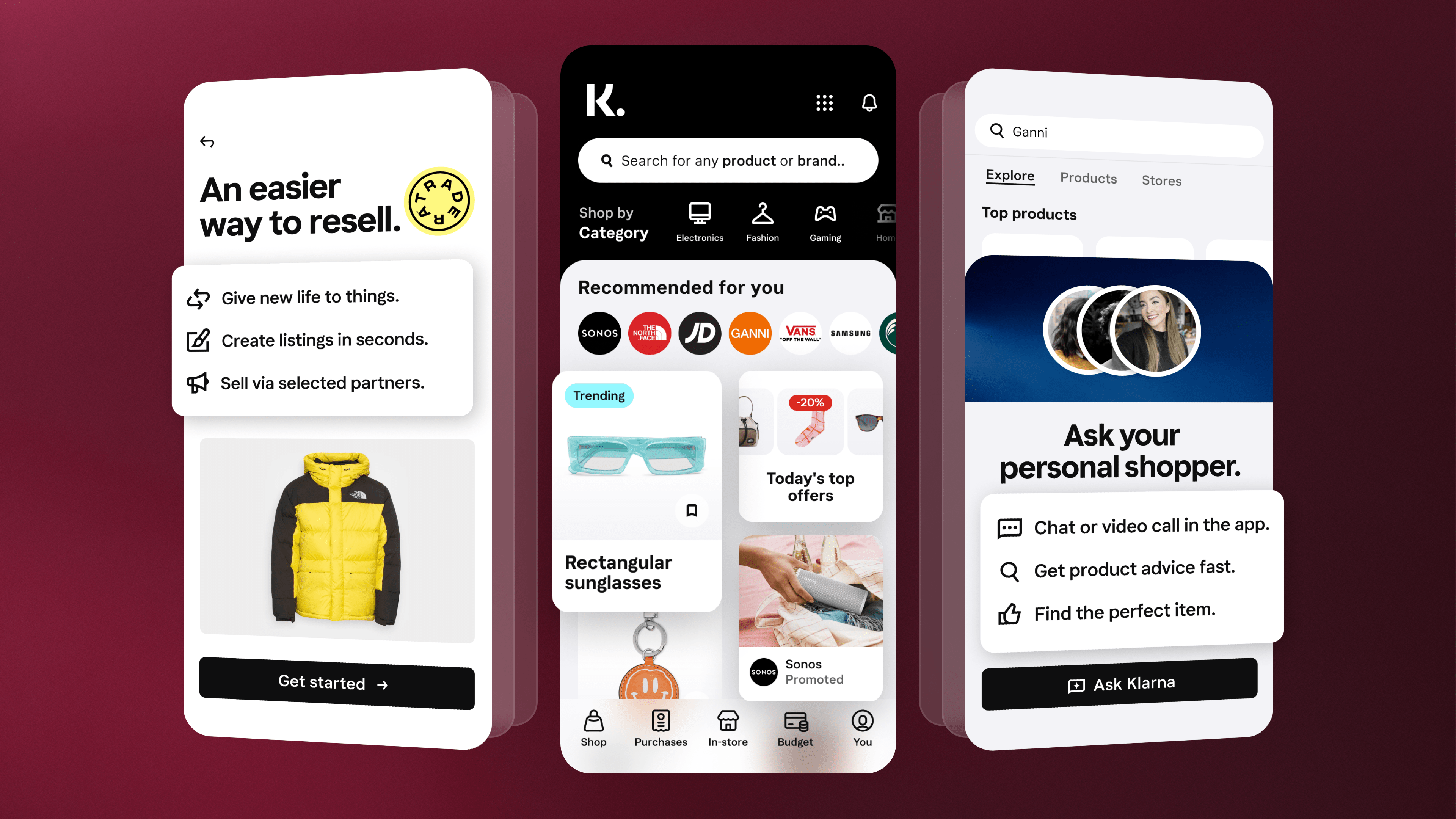
Klarna Spotlight, Spring ‘23: New AI-powered, personalized shopping feed and innovations for consumers and retailers (Photo: Klarna)
Video generation is reshaping competition and making visual production more accessible. Amazon Ads showed that videos created from text prompts can function as rapid prototypes. This approach gives smaller brands the ability to test ideas before committing to full scale production. At the same time, semantic accuracy and brand tone still require human oversight. The role of the creative shifts from manual execution to managing aesthetics, rhythm, and meaning.
The Video Generator tool from Amazon Ads allows advertisers to create realistic high motion shots of their products in use and transform still images to movement with a single click.
Where Brands Lose Control
These advantages come with risks. The primary issue is homogeneity. Generative models are trained on vast collections of widely circulated imagery and often default to an averaged aesthetic. The Clorox and Hidden Valley Ranch case illustrates this clearly. The initial wave of visuals lacked distinctive character. The team had to refine prompts and compositions to restore brand specificity. Generation does not create uniqueness on its own. It produces raw material, while value emerges through curatorial and artistic judgment.
Governance, Law, and Responsibility
Legal and ethical considerations have become key indicators of process maturity. Using models trained on data of uncertain origin introduces the risk of unintended appropriation. Mondelez demonstrates an opposing approach. Every AI generated visual passes through legal review, multi level brand guideline checks, and documented approval stages. This transforms AI in branding into a controlled technology rather than a source of exposure.
Choosing Partners in an AI Native Market
Trust remains central. Clients need to see not only outcomes, but also transparency across the entire pipeline. A professional partner can clearly explain which tools are used, where automation ends, and where human decision making begins. They document metadata at each stage, store generation logs, and verify model licensing. This approach matters both for legally sensitive brands and for companies focused on long term reputation.
The choice of collaboration format should be based on maturity, not on the type of provider. Agencies offer protocols, accountability, and governance. Studios often bring depth of visual thinking and experimental speed. Independent creatives provide flexibility and fresh perspectives. The difference lies in whether each can deliver a transparent process, verifiable human oversight, and legal clarity. These factors turn AI in branding into a systemic practice rather than a one off tactic.
Process maturity can be tested through concrete requests. A partner should be able to present projects where AI delivered practical value, demonstrate documented time savings, and explain how brand risks were mitigated. Weaker providers often fail at this stage due to missing documentation and insufficient legal controls. Strong partners do the opposite, offering clarity, structure, and evidence.
Conclusion: Assessment Checklist for Creative Partners Who Use AI
AI in branding is now infrastructure, not experimentation. A partner who can guarantee transparency, document critical stages, and keep creative decisions in human hands provides a real competitive advantage. To assess maturity, brands should ask seven questions.
-
Which AI models are used and for what reasons.
-
Which parts of the process remain under human control.
-
How visual uniqueness is protected.
-
How legal compliance of source data is ensured.
-
Which stages of generation are documented.
-
How the partner prevents visual homogeneity.
-
Whether there are cases in advertising or brand communications where AI reduced production time, expanded the number of tested creatives, or improved campaign performance.
The answers help determine whether AI strengthens the brand or introduces unnecessary risk. For modern teams, this has become one of the most important decision making tools.


